

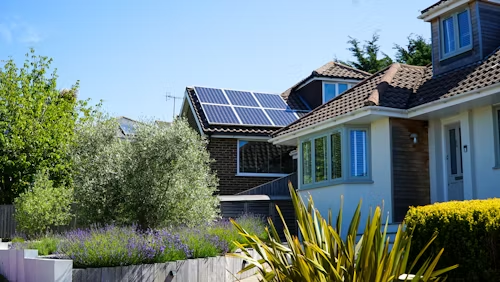
Solar panel kit are becoming increasingly popular among homeowners as a sustainable and cost-effective way to generate electricity. These comprehensive kits provide everything needed to harness solar energy, from photovoltaic panels to inverters and mounting hardware. Understanding the different types, components, and installation requirements of solar panel kits helps consumers make informed decisions on their energy independence journey.
Understanding Solar Panel Kit Components
A typical solar panel kit includes several essential components that work together to convert sunlight into usable electricity. The primary element is the photovoltaic panel, which contains solar cells responsible for capturing sunlight and converting it into direct current (DC) electricity. These panels are available in different technologies, including monocrystalline, polycrystalline, and thin-film options.
Essential Components Included in Most Kits
The inverter represents another crucial component that converts DC electricity from the panels into alternating current (AC) electricity compatible with household appliances and the electrical grid. Modern solar panel kits often include microinverters or power optimizers that maximize energy production and system efficiency.
Mounting hardware ensures secure panel installation on rooftops or ground-mounted systems. This includes rails, clamps, bolts, and other fastening materials designed to withstand various weather conditions while maintaining proper panel positioning for optimal sun exposure.
Additional components typically found in comprehensive solar panel kits include:
- DC and AC disconnect switches for safety during maintenance
- Monitoring systems to track energy production and system performance
- Grounding equipment to ensure electrical safety
- Wiring and electrical connections
- Installation manuals and documentation
Types of Solar Panel Kits Available
Grid-Tied Solar Panel Kits
Grid-tied systems represent the most common type of solar panel kit for residential installations. These systems connect directly to the electrical grid, allowing homeowners to use solar energy during the day while drawing from the grid when solar production is insufficient. Excess energy can be fed back into the grid through net metering programs, potentially earning credits or compensation from utility companies.
Grid-tied solar panel kits typically include string inverters or microinverters, monitoring equipment, and all necessary electrical components for safe grid connection. These systems require professional installation and utility approval but offer the most straightforward path to solar energy adoption.
Off-Grid Solar Panel Kits
Off-grid systems provide complete energy independence by storing solar energy in battery banks for use when the sun isn’t shining. These comprehensive kits include batteries, charge controllers, and specialized inverters designed for standalone operation without grid connection.
Off-grid solar panel kits are ideal for remote locations, cabins, RVs, or situations where grid connection is impractical or unavailable. These systems require careful sizing to ensure adequate energy storage and generation capacity for intended applications.
Hybrid Solar Panel Kits
Hybrid systems combine the benefits of grid-tied and off-grid configurations by incorporating battery storage while maintaining grid connection. These advanced kits provide backup power during outages while optimizing energy usage and storage based on time-of-use rates and solar production patterns.
Sizing Your Solar Panel Kit Properly
Calculating Energy Requirements
Proper system sizing begins with understanding your energy consumption patterns. Review past electricity bills to determine average monthly kilowatt-hour (kWh) usage, paying attention to seasonal variations and peak usage periods. This baseline helps determine the appropriate solar panel kit size for your needs.
Consider future energy needs, including electric vehicle charging, home additions, or increased appliance usage. Sizing slightly above current needs provides flexibility for changing energy requirements and ensures adequate power generation during less optimal weather conditions.
Evaluating Available Space and Solar Resources
Assess available installation space, whether on rooftops or ground-mounted areas. Factor in shading from trees, buildings, or other obstructions that could impact solar energy production. South-facing installations typically provide optimal energy generation in the Northern Hemisphere, though east and west-facing installations can also be effective.
Local solar irradiance levels significantly impact system performance. Areas with higher solar resources require smaller systems to meet the same energy needs compared to regions with lower solar availability.
Installation Considerations and Requirements
Professional vs. DIY Installation
While many solar panel kits are designed for DIY installation, professional installation ensures compliance with local building codes, electrical regulations, and utility interconnection requirements. Professional installers also provide system warranties and handle permit applications and inspections.
DIY installation can reduce overall system costs but requires electrical knowledge, proper tools, and understanding of safety procedures. Consider local regulations, as some jurisdictions require professional installation for grid-tied systems or systems above certain wattages.
Permits and Interconnection Procedures
Most solar panel kit installations require building permits and electrical permits from local authorities. These permits ensure installations meet safety standards and building codes. The permit application process typically requires system specifications, site plans, and electrical diagrams.
Grid-tied systems require utility interconnection agreements that outline the terms for connecting to the electrical grid and participating in net metering programs. This process can take several weeks or months, so plan accordingly when scheduling installation.
Financial Considerations and Incentives
Federal and State Incentives
The federal Investment Tax Credit (ITC) allows homeowners to deduct a significant percentage of solar installation costs from their federal taxes. Many states offer additional rebates, tax credits, or performance-based incentives that further reduce solar panel kit costs.
Research local utility programs that may offer rebates or special rates for solar installations. These programs vary by location but can significantly impact the overall return on investment for solar panel kits.
Financing Options Available
Solar panel kits can be purchased outright, financed through solar loans, or installed through lease or power purchase agreements. Cash purchases typically provide the best long-term financial returns, while financing options make solar accessible with lower upfront costs.
Compare financing options carefully, considering interest rates, loan terms, and overall cost impacts on system ownership and savings potential.
Tips and Tricks for Solar Panel Kit Success
Maximizing Energy Production
Optimal Positioning: Install panels facing true south (in the Northern Hemisphere) with tilt angles matching your latitude for maximum energy production. Avoid shading during peak sun hours (10 AM to 2 PM) when solar energy production is highest.
Regular Maintenance: Keep panels clean and free from debris, snow, or leaves that can reduce energy production. Most panels are self-cleaning in rainy climates, but periodic washing may be necessary in dusty or dry areas.
Monitor Performance: Use monitoring systems to track daily, monthly, and annual energy production. Sudden drops in production may indicate maintenance needs or system issues requiring attention.
Cost-Saving Strategies
Buy During Off-Peak Seasons: Solar panel kit prices often fluctuate seasonally, with lower prices typically available during fall and winter months when installation demand decreases.
Consider Refurbished Components: High-quality refurbished panels or inverters can reduce system costs while maintaining reliability. Ensure refurbished components include appropriate warranties and performance guarantees.
Group Purchasing: Coordinate with neighbors or community groups to negotiate bulk pricing on solar panel kits and installation services.
Installation Best Practices
Plan Cable Management: Organize DC and AC wiring neatly to facilitate maintenance and inspections. Use appropriate conduits and cable management systems to protect wiring from weather and physical damage.
Document Everything: Keep detailed records of installation procedures, component serial numbers, and system specifications. This documentation helps with warranty claims, maintenance, and future system modifications.
Safety First: Always follow electrical safety procedures, including proper grounding, circuit protection, and disconnect switch installation. When in doubt, consult with qualified electricians or solar installers.
Maintenance and Troubleshooting
Routine Maintenance Tasks
Solar panel kits require minimal maintenance, but regular inspections ensure optimal performance and longevity. Check mounting hardware periodically for looseness or corrosion, especially after severe weather events.
Monitor inverter displays and error codes to identify potential issues early. Many modern inverters provide smartphone apps or web portals for remote monitoring and troubleshooting assistance.
Common Issues and Solutions
Reduced Energy Production: Check for shading, dirty panels, or loose connections. Compare current production with historical data to identify performance trends or sudden changes requiring investigation.
Inverter Problems: Inverter issues often manifest as error codes or complete system shutdowns. Consult manufacturer documentation for troubleshooting steps, and contact technical support if problems persist.
Weather-Related Damage: Inspect systems after severe weather for physical damage to panels, mounting hardware, or wiring. Address any damage promptly to prevent further issues or safety hazards.
Shopping for Solar Panel Kits
When you’re ready to buy solar panel kits, consider reputable suppliers that offer comprehensive packages with quality components and reliable customer support. Research manufacturer warranties, product certifications, and customer reviews to ensure you’re investing in a reliable system.
Compare multiple solar panel kit options from different suppliers, paying attention to component specifications, included accessories, and overall value propositions. Don’t automatically choose the lowest-priced option without considering long-term performance and reliability factors.
Look for suppliers that provide technical support, installation guidance, and after-sales service. The best places to buy solar panel kits offer comprehensive support throughout the entire ownership experience, from initial sizing through ongoing maintenance assistance.
Advanced Solar Panel Kit Configurations
Battery Storage Integration
Modern solar panel kits increasingly include battery storage options that provide energy independence and backup power capabilities. Lithium-ion batteries offer superior performance and longevity compared to traditional lead-acid options, though at higher initial costs.
Consider battery storage if you experience frequent power outages, have high energy usage during evening hours, or want to maximize self-consumption of solar energy. Battery systems require additional components including charge controllers and specialized inverters.
Smart Home Integration
Advanced solar panel kits can integrate with smart home systems to optimize energy usage based on solar production, utility rates, and household consumption patterns. Smart inverters and energy management systems automatically adjust energy usage to maximize solar utilization and minimize grid dependency.
These systems can control water heaters, HVAC systems, and electric vehicle charging to coincide with peak solar production periods, further increasing the value of your solar panel kit investment.
Frequently Asked Questions
How long do solar panel kits typically last?
Most solar panels in quality kits are warranted for 25 years and typically continue producing electricity for 30+ years. Inverters usually require replacement after 10-15 years, while mounting hardware can last the lifetime of the installation with proper maintenance. The overall system lifespan often exceeds 25 years with appropriate care and occasional component replacement.
Can I expand my solar panel kit system later?
Many solar panel kits can be expanded by adding additional panels and upgrading inverters or electrical components as needed. However, expansion possibilities depend on available roof space, electrical panel capacity, and local utility interconnection limits. Plan for future expansion during initial installation to simplify later additions.
What happens to my solar panels during power outages?
Standard grid-tied solar panel kits automatically shut down during power outages for safety reasons, preventing electricity from feeding back into potentially dangerous utility lines. Systems with battery backup can continue providing power to essential loads during outages, while off-grid systems operate independently of utility power availability.
How much can I save with a solar panel kit?
Savings depend on local electricity rates, system size, solar resource availability, and energy usage patterns. Most homeowners see 70-90% reductions in their electricity bills, with payback periods typically ranging from 6-12 years. After payback, solar panel kits provide decades of free electricity generation.
Do solar panel kits work in cloudy weather?
Solar panels continue generating electricity during cloudy conditions, though at reduced output compared to sunny days. Modern panels can produce 20-40% of their rated capacity even under overcast skies. Seasonal production variations are normal, with higher output during summer months and lower production in winter.
What maintenance do solar panel kits require?
Solar panel kits require minimal maintenance beyond occasional cleaning and visual inspections. Most systems are designed to operate maintenance-free for years, though monitoring energy production helps identify potential issues early. Professional maintenance checks every few years can ensure optimal performance and longevity.
Are solar panel kits worth the investment?
For most homeowners with suitable roof space and adequate solar resources, solar panel kits provide excellent long-term value through reduced electricity bills and increased property values. The combination of falling equipment costs, available incentives, and rising electricity rates makes solar increasingly attractive financially.
Can I install a solar panel kit myself?
Many solar panel kits are designed for DIY installation, particularly smaller off-grid systems. However, grid-tied installations often require professional installation to meet code requirements and utility interconnection standards. DIY installation can save money but requires electrical knowledge and proper safety precautions.
Related Resources:
- Solar Energy Industries Association
- Database of State Incentives for Renewables & Efficiency
- National Renewable Energy Laboratory
- Solar Power World Magazine
- Solar Reviews and Ratings
This comprehensive guide provides educational information about solar panel kits and their implementation. Consult with qualified solar professionals and local authorities for specific installation requirements and regulations in your area.

