

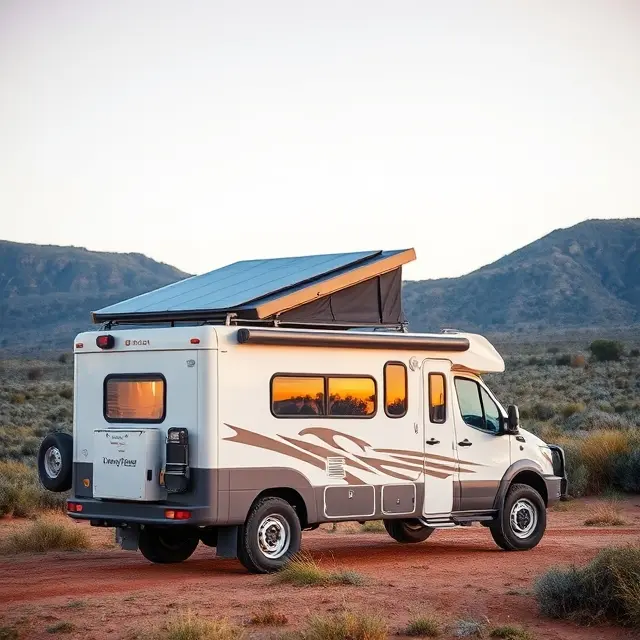
If you’re building out a touring rig, setting up a tinny for fishing, or just trying to keep the 12V fridge cold on long weekend trips, weight and space are always top of mind.
Standard glass solar panels are great for house roofs, but bolting a heavy 10-kilo glass frame onto a pop-top caravan or a bimini top isn’t always practical. That’s where flexible solar panels come in. They’re super thin, weigh next to nothing, and contour right onto curved roofs.
In this guide, we’ll look at how flexible solar panels actually perform in Australian conditions, where they make sense, and what you need to know before buying one.
What Are Flexible Solar Panels?
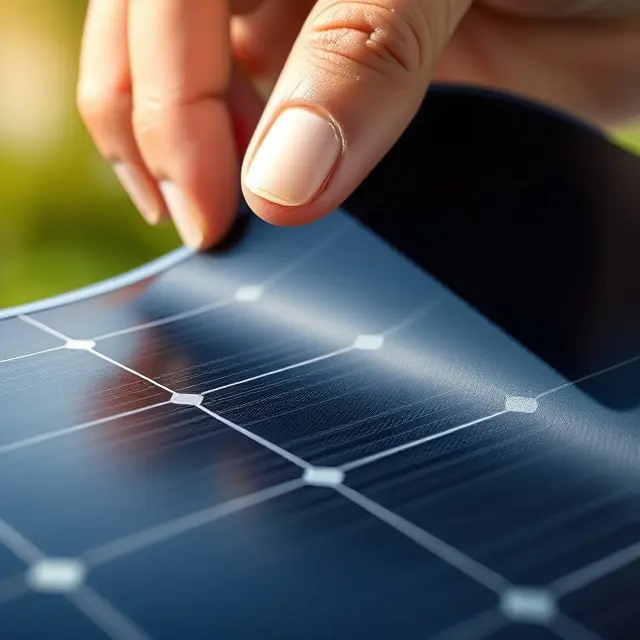
Flexible solar panels use thin-film or high-efficiency monocrystalline solar cells encased in flexible plastic coatings like ETFE (Ethylene Tetrafluoroethylene) instead of heavy glass and aluminum frames.
Because they don’t have a rigid structure, most of these panels can bend up to 30 degrees. This lets you glue them flat onto a caravan roof, boat deck, or teardrop camper without needing bulky mounting brackets.
Common Types You’ll Find Online:
-
Monocrystalline (SunPower Cells): These are the most common for 12V setups. They give you the highest efficiency (around 20% to 24%) in a small footprint.
-
CIGS Panels: Very flexible and tough against physical wear, though slightly lower in peak power output compared to top-tier mono cells.
-
Basic PET Panels: Cheap entry-level panels. They work okay for occasional camping trips, but the outer coating tends to cloud up under intense Aussie UV within a couple of years.
Why Use Flexible Panels for Caravans & Boats?
1. Massive Weight Savings
A standard 100W glass panel weighs anywhere from 8 to 11 kg. A 100W flexible panel usually weighs under 2 kg. If you’re watching your caravan’s payload (ATM/GVM limits) or trying to keep your vehicle top-heavy weight low, this makes a huge difference.
2. No Drilling Required
Instead of drilling holes through your roof to fit mounting feet, flexible panels are glued directly down using structural adhesives like Sikaflex. Less holes mean far less risk of water leaks when driving through heavy rain.
3. Streamlined Profile
Because they sit almost flush (only 2mm to 4mm thick), they don’t catch the wind while you’re highway cruising, which helps keep fuel efficiency intact.
Flexible vs. Rigid Solar Panels: Quick Comparison
Here is a quick look at how flexible panels stack up against traditional rigid glass setups:
| Feature | Flexible Solar Panels | Rigid Solar Panels |
| Weight | 1.5 – 2.5 kg (Ultra-light) | 8 – 11 kg |
| Profile | Ultra-thin (2-4mm) | Bulky frame (30-35mm) |
| Flexibility | Bends up to 30° | Completely flat & rigid |
| Installation | Direct adhesive / Glue down | Roof racks & brackets |
| Lifespan | 5 – 12 years (depending on quality) | 20 – 25 years |
| Heat Sensitivity | Higher (Sits flat on hot roofs) | Lower (Air flows underneath) |
Best Uses: Where They Work Best
-
Caravans & Camper Trailers: Great for pop-tops or fiberglass roofs where you can’t mount heavy brackets. (If you need a complete power setup, read our 200W solar panel guide for battery and controller details).
-
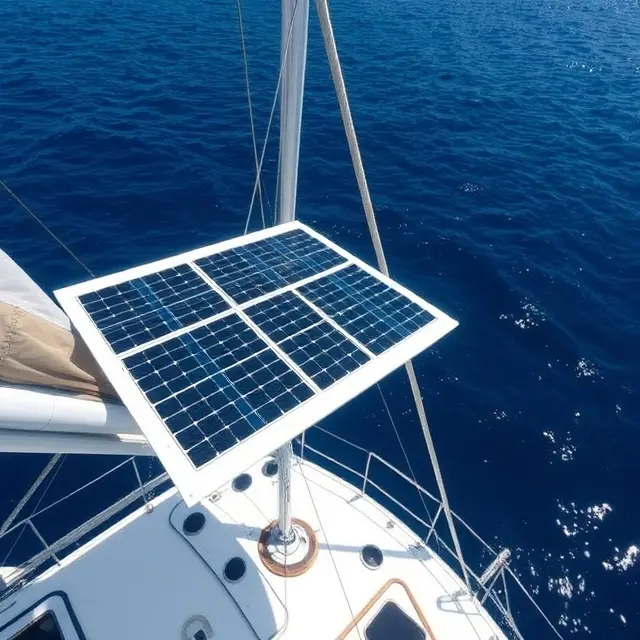
Boats & Marine Decks: Perfect for bimini tops, dodgers, or cabin roofs where flat mounting keeps lines clean.
-
4WD Canopy Setups: Good for gull-wing doors or canopy roofs where space is tight and you want to keep weight down.
The Catch: Heat & Ventilation in Australia
While flexible panels sound great on paper, there’s one big thing to watch out for in Australia: Heat buildup.
Solar panels lose efficiency as they get hot. Traditional rigid panels sit elevated on brackets, allowing air to flow underneath and cool them down. Flexible panels glued flat to a fiberglass or metal roof trap heat underneath. On a 38°C summer day in the Outback, an unventilated panel can get scorching hot, dropping its power output significantly and shortening its lifespan.
How to Fix This During Installation:
-
Use Corrugated Plastic / Twin-Wall Sheets: Put a thin plastic twin-wall sheet underneath the panel before gluing it down to create tiny air channels.
-
Leave a Small Air Gap: If possible, use raised adhesive beads so air can pass underneath.
-
Choose ETFE Over PET: Always opt for ETFE-coated panels. They handle heat, salt spray, and UV exposure way better than cheap PET plastic.
How to Install Flexible Panels (Simple 4-Step Process)
-
Clean the Surface: Prep your roof or deck with isopropyl alcohol. Any dust, wax, or grease will ruin the adhesive bond.
-
Apply Adhesive: Use a high-quality marine sealant like Sikaflex 252 or Sikaflex 291. Apply it in parallel lines rather than closed circles so trapped air and moisture can escape.
-
Seal the Leading Edge: Run a continuous bead of sealant around the front edge facing the wind so air doesn’t catch underneath while driving.
-
Wire to an MPPT Controller: Run your cables through a waterproof cable entry gland and connect them to an MPPT solar regulator to get maximum power into your AGM or Lithium battery.
How Much Do They Cost in Australia? ($ AUD)
-
Budget 100W Panels ($100 – $180 AUD): Basic PET panels. Fine for short weekend trips, but expect shorter lifespans under heavy sun.
-
Mid-Range 100W–200W Panels ($220 – $400 AUD): ETFE coating with solid mono cells. These are the sweet spot for most caravan and 4WD setups.
-
Premium Marine-Grade Panels ($450 – $800+ AUD): Reinforced backing, non-slip textured surfaces, and high-grade SunPower cells built for live-aboard boats and harsh marine environments.
Safety & Compliance Note: Always ensure your off-grid 12V wiring and solar setups follow official Clean Energy Council Australia standards for safe battery management and PV installations.
Frequently Asked Questions
Can you walk on flexible solar panels?
Unless the manufacturer specifically rates the panel as “walkable” (usually reinforced with fiberglass/FRP backing for boat decks), you shouldn’t walk on them. Stepping on standard flexible panels can crack the silicon cells underneath even if the outer plastic doesn’t break.
How long do flexible solar panels last?
A good ETFE flexible panel usually lasts around 5 to 10 years under normal Aussie weather. Cheap PET panels often cloud up or degrade within 2 to 3 years.
Are flexible solar panels fully waterproof?
Yes, quality panels are sealed to IP67 or IP68 standards, making them totally fine for heavy rain and saltwater spray. Just make sure your wiring joints and cable entry points are properly sealed.
Summary
If you need a lightweight, low-profile solar setup for your caravan, boat, or 4WD, flexible solar panels are a fantastic option. Just make sure to pick a quality ETFE panel, plan for a bit of ventilation underneath, and use proper marine adhesive when mounting it.

